
For most enterprises, payment reconciliation is treated as back-office housekeeping. In reality, it is the foundation of accurate cash flow, transparent fee tracking, and operational control. When it breaks, finance loses its clearest view of how money actually moves through the business.
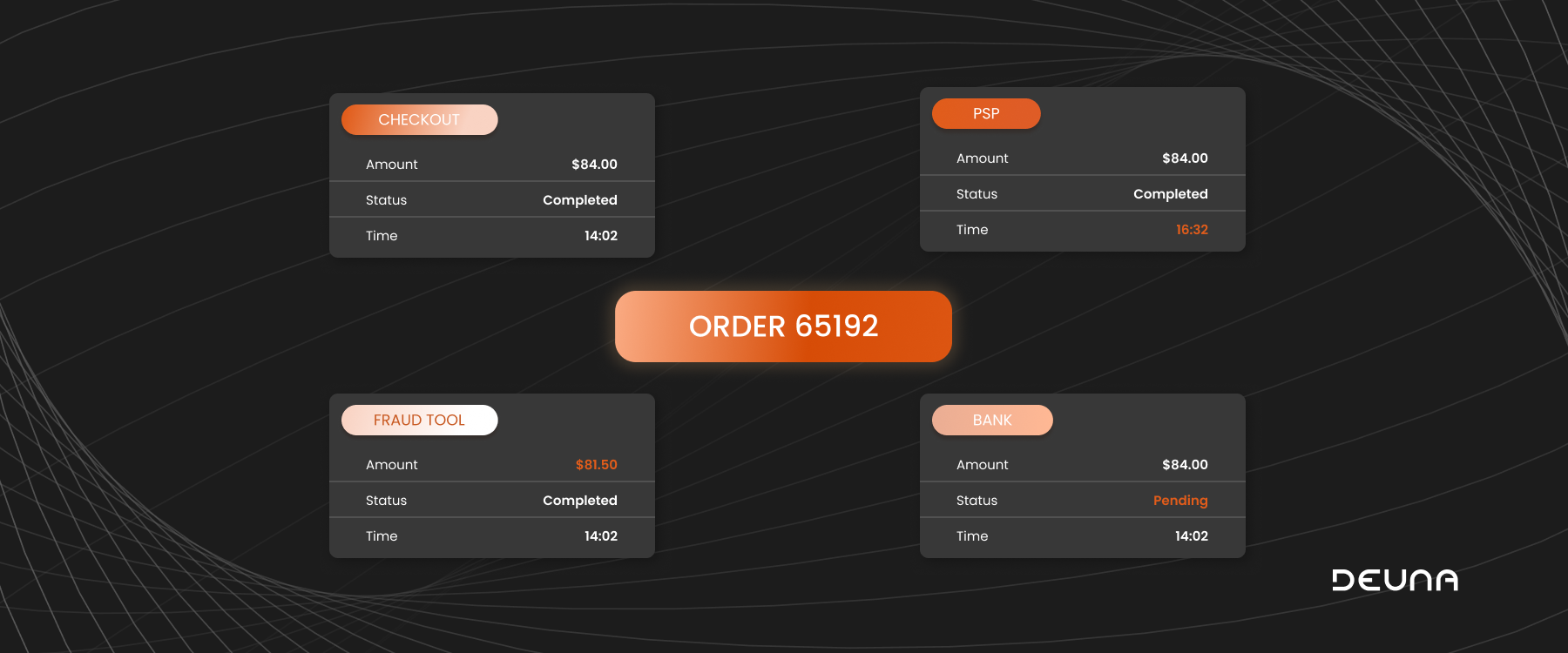
The problem is that reconciliation has become genuinely hard. Every transaction has to be aligned across multiple payment providers, acquirers, currencies, local taxes, installment logic, and reporting formats. Done by hand, that work is slow and easy to get wrong. According to PwC, manual reconciliation can consume up to 30% of a finance team's time, effort that could go toward far higher-impact work.
The cost is not only time. Even small discrepancies can quietly add up to thousands lost each month, and as operations expand across borders, the complexity multiplies with exchange rate mismatches, multi-country tax rules, partial payments, and non-standard cutoff times.
Reconciliation turns into a bottleneck for a few predictable reasons, and they tend to arrive together as a business grows:
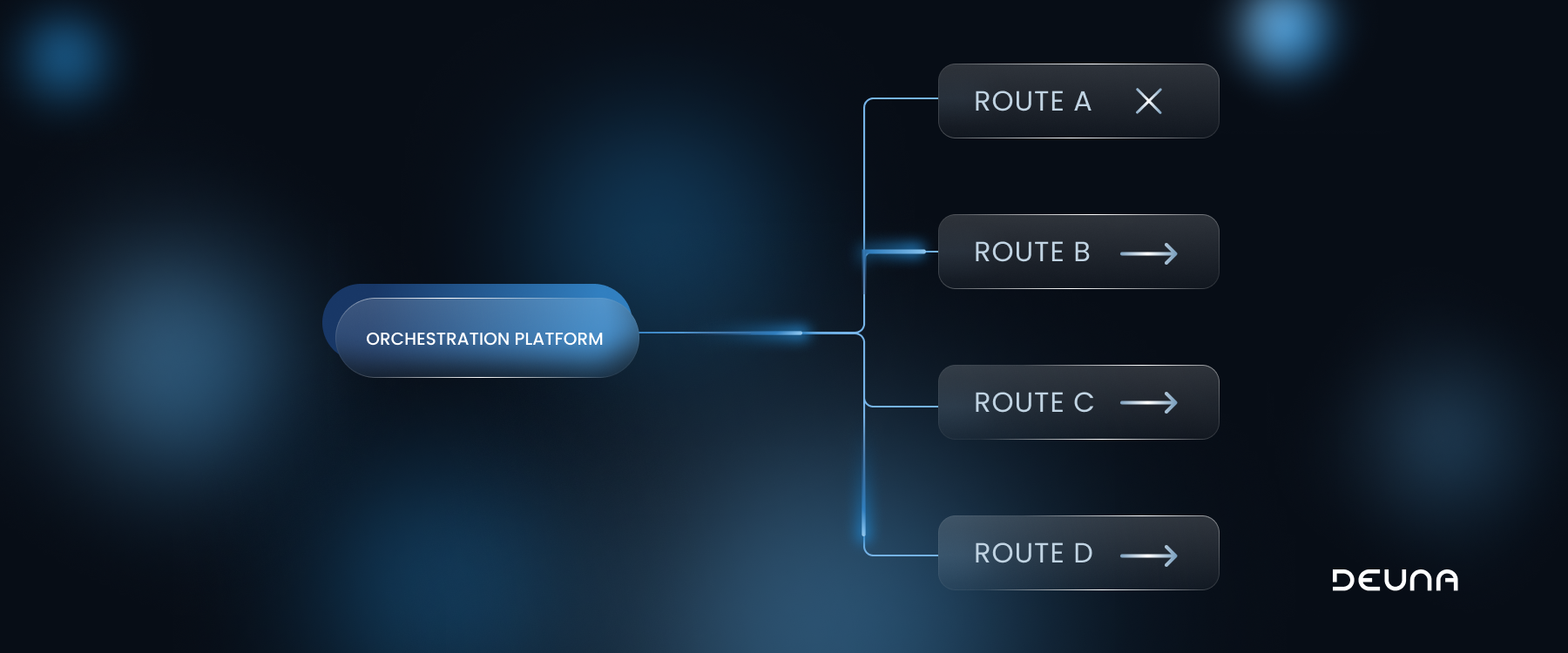
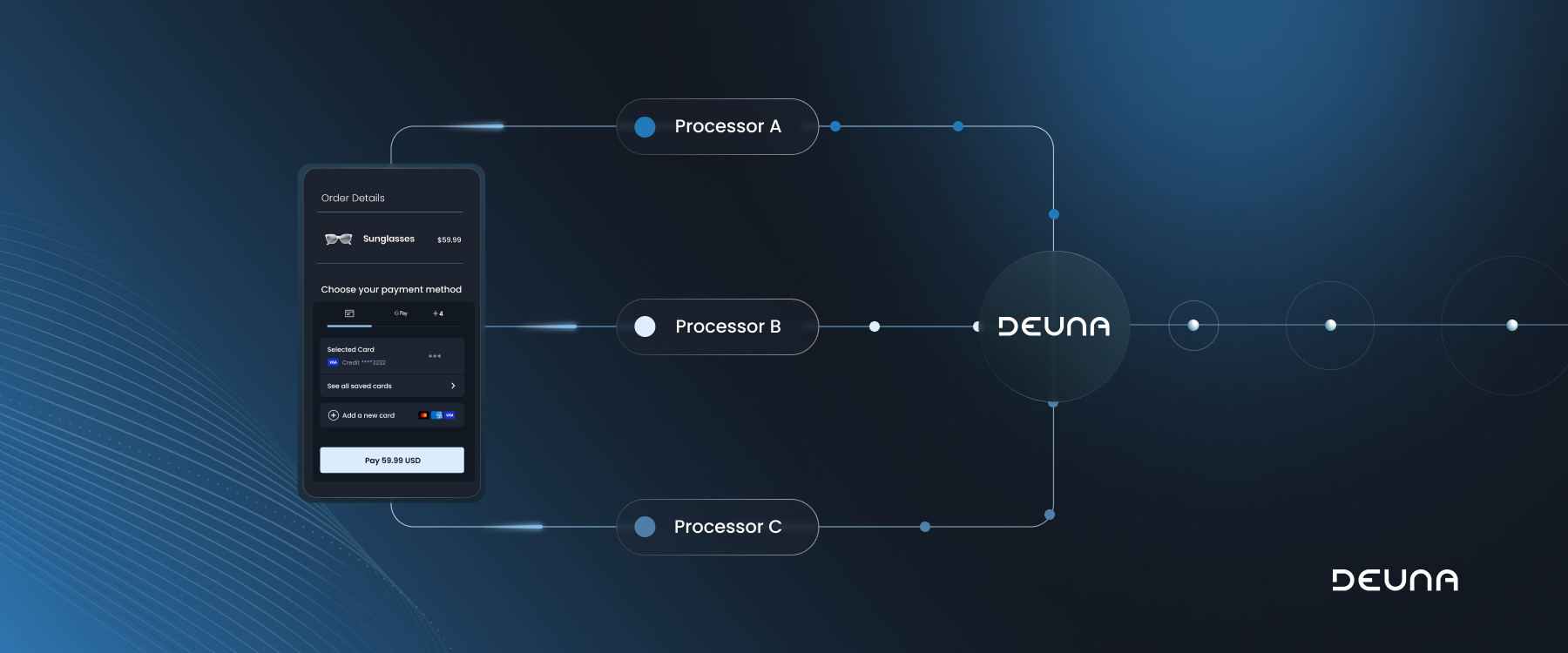
A modern payment orchestration platform changes the equation by letting businesses automate, standardize, and scale reconciliation instead of fighting it manually. Three things make the difference:
Automation only pays off when it comes with visibility, and this is where orchestration earns its place. A central view lets finance teams track reconciliation by country, provider, and transaction type, and catch mismatches in settlement amounts or timing the moment they appear rather than at month end.
That same foundation keeps performance steady at scale, handling millions of transactions across providers without lag or data loss, which matters most for businesses expanding into new markets. Every reconciliation action is logged and auditable, giving teams full traceability for internal stakeholders, regulators, and partners alike.
The result is a shift in what reconciliation is for. Instead of chasing what went wrong last month, teams can prioritize and resolve issues as they happen, whether it is a missing fee, a date mismatch, or a duplicate transaction.
This is exactly what DEUNA was built to deliver. We help enterprise merchants automate and standardize reconciliation across 400+ payment providers and methods, handling multi-currency, multi-market, and multi-format settlement without the manual friction.
Athia, our agentic payments intelligence layer, takes it further. She reads reconciliation data as it flows in, surfaces the discrepancies that matter, and flags the ones worth acting on first, so finance spends its time deciding rather than reconciling.
The lesson is simple. Reconciliation is not back-office housekeeping, it is real-time clarity on how money moves through your business. Left manual, it quietly drains time and hides costly errors. Automated and orchestrated, it stops being a burden to survive and becomes a foundation to grow on.