
Checkout abandonment costs e-commerce over $4 trillion a year, according to ACI Worldwide. The reason is not indecisive shoppers. It is a broken payment experience. ACI found that 61% of consumers abandoned a purchase in 2024 because their preferred payment method was not available.
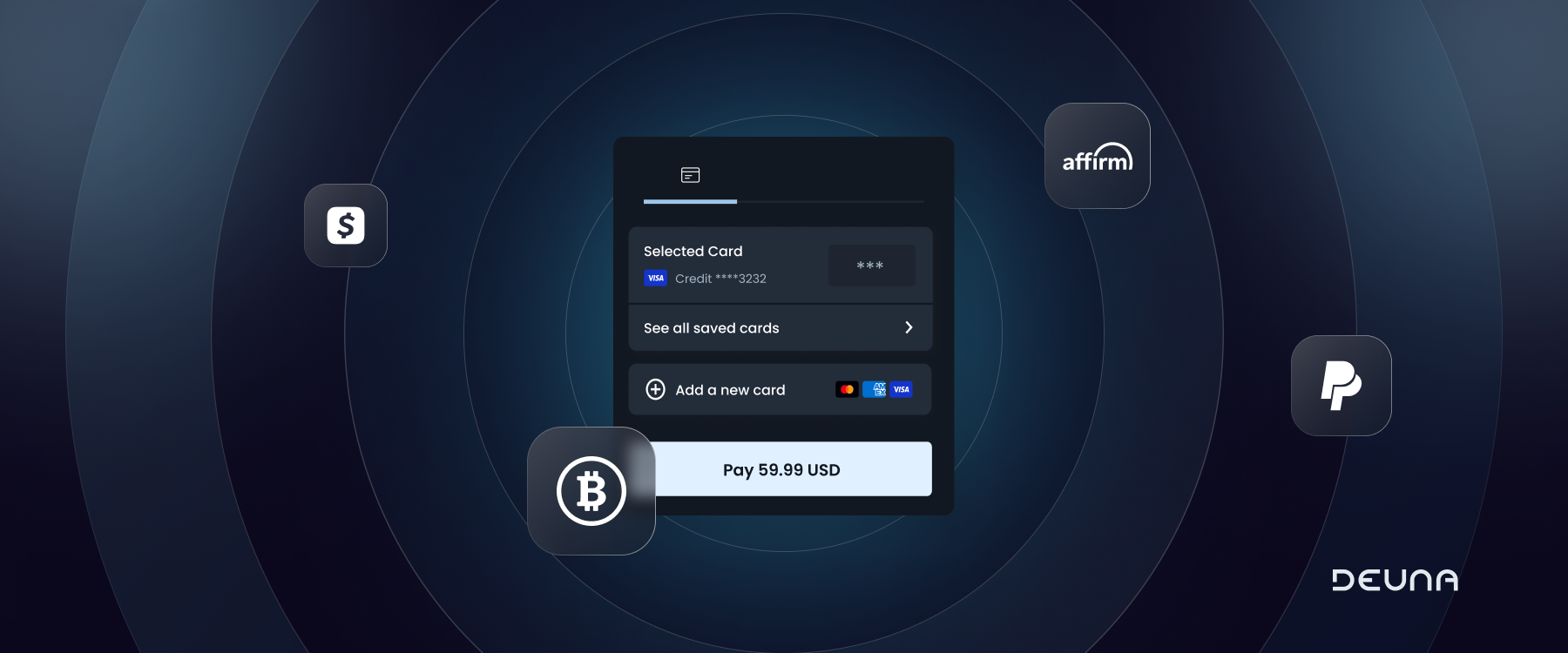
Dynamic Payment Method Presentment fixes this. It automatically adjusts which payment options appear at checkout, and in what order, based on real-time signals: who the customer is, what device they are on, how much they are spending, and which methods have the highest completion rates for that profile.
You lose money. It is that simple.
According to ACI Worldwide, offering the top three relevant payment methods in a market can improve conversions by up to 30%. Not three random methods. Three relevant ones. The difference between "more options" and "right options" is the difference between confusion and conversion.
Dynamic presentment makes that distinction in real time. A US mobile shopper on an iPhone with a history of Apple Pay purchases should see Apple Pay first, not buried as the fourth option. If that transaction fails, the system cascades to the next best method automatically. No restarts. No friction. That is what separates a static checkout from an intelligent one.
Because the US is one of the few major economies where no single payment method dominates online commerce. In China, Alipay and WeChat Pay control the vast majority of transactions. In parts of Europe, a single local method leads each market. In the US, the right payment method changes from customer to customer.
It also changes by generation. Wallets are already the most-used online payment method for Americans aged 18 to 34. For older demographics, credit cards remain the default. A static checkout that leads with cards alienates younger buyers. One that leads with wallets risks losing older ones. Dynamic presentment adapts per session instead of picking a side. As Gen Z's purchasing power grows, the cost of ignoring their payment preferences will show up directly in declining conversion rates for merchants that do not adapt.
And then there is the cost. US card processing fees hit $198.25 billion between 2024 and 2025, according to the Merchants Payments Coalition. Dynamic presentment lets you surface lower-cost methods when a customer is equally likely to use them. When a buyer is indifferent between debit and credit, presenting debit first is not a compromise. It is margin optimization.
This is where most enterprise merchants hit a wall.
Every payment processor offers some checkout optimization, but only within its own ecosystem. If you use multiple providers, each one optimizes in isolation. No single provider sees your full transaction picture. Your presentment decisions are based on incomplete information.
Payment orchestration solves this. It sits above individual processors and enables presentment and routing decisions based on the complete picture. When a transaction fails, it reroutes to an alternative provider automatically. When a payment method underperforms, you see it in real time across all providers, not weeks later in a spreadsheet. And when you want to test whether surfacing a new method improves conversion for a specific segment, you can do it without filing an engineering ticket.
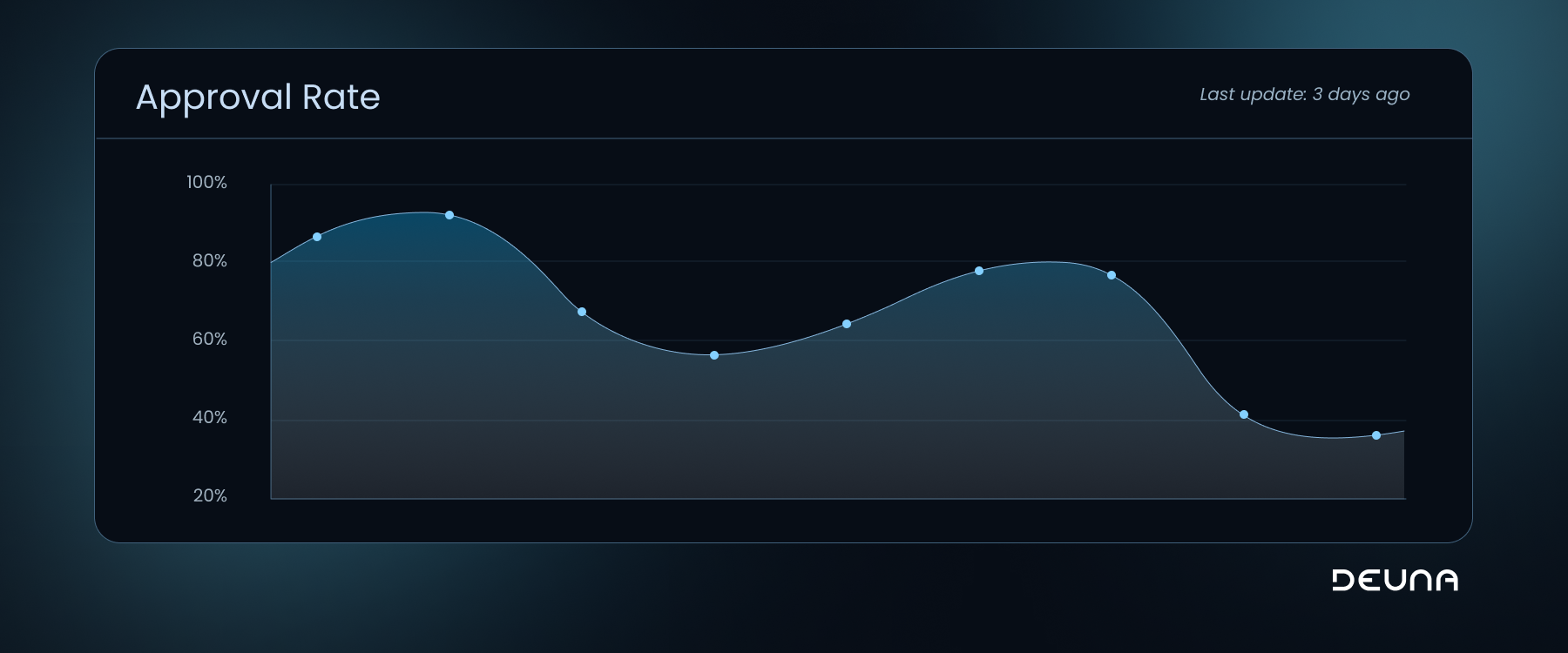
DEUNA does this through a single integration to over 400 payment providers and antifraud tools. Athia, DEUNA's payments intelligence engine, adds a layer of continuous learning: she identifies which methods convert best per customer segment, flags where approval rates are declining, and recommends the specific optimizations with the highest revenue impact.
The result is a checkout that gets smarter with every transaction processed.
It shows up in three places.
The merchants who treat checkout as a static page will keep absorbing these costs. The merchants who treat it as a dynamic system will capture what static checkouts lose.
If your checkout shows the same options to every customer, the question is not whether you are losing revenue. It is how much.