
Few revenue leaks are as well hidden as a declined authorization. It never appears as a line item, it carries no accrual, and it leaves no customer to follow up with. The demand was captured, the acquisition cost was already spent, and the sale simply failed to close for reasons buried in a transaction message nobody reviewed.
For airlines the arithmetic is unusually favorable to fixing it. Worldpay estimates that on $1 billion in annual transaction volume, a single percentage point of authorization improvement is worth $10 million in recovered revenue, without incremental marketing spend or pricing changes. Because that revenue arrives against demand already generated, it converts at close to full contribution margin, which is a materially better return than most growth initiatives competing for the same capital.
Agentic payments intelligence is an AI layer that reasons over payment data rather than reporting it. A conventional dashboard confirms that approvals declined in a market last week. An agentic system identifies the deterioration as it begins, isolates the issuer, provider, or corridor responsible, recommends a corrective action, executes it through connected workflows, and then verifies whether performance recovered.
The distinction that matters financially is latency. Every day between a performance shift and its correction is revenue that cannot be recovered retroactively.
Authorization performance varies significantly by route, currency, card type, and issuing bank. A high-value international fare that clears reliably through a local acquirer may fail through a cross-border path, and the issuer reaches that decision in under 200 milliseconds using variables that are largely invisible to the merchant's stack.
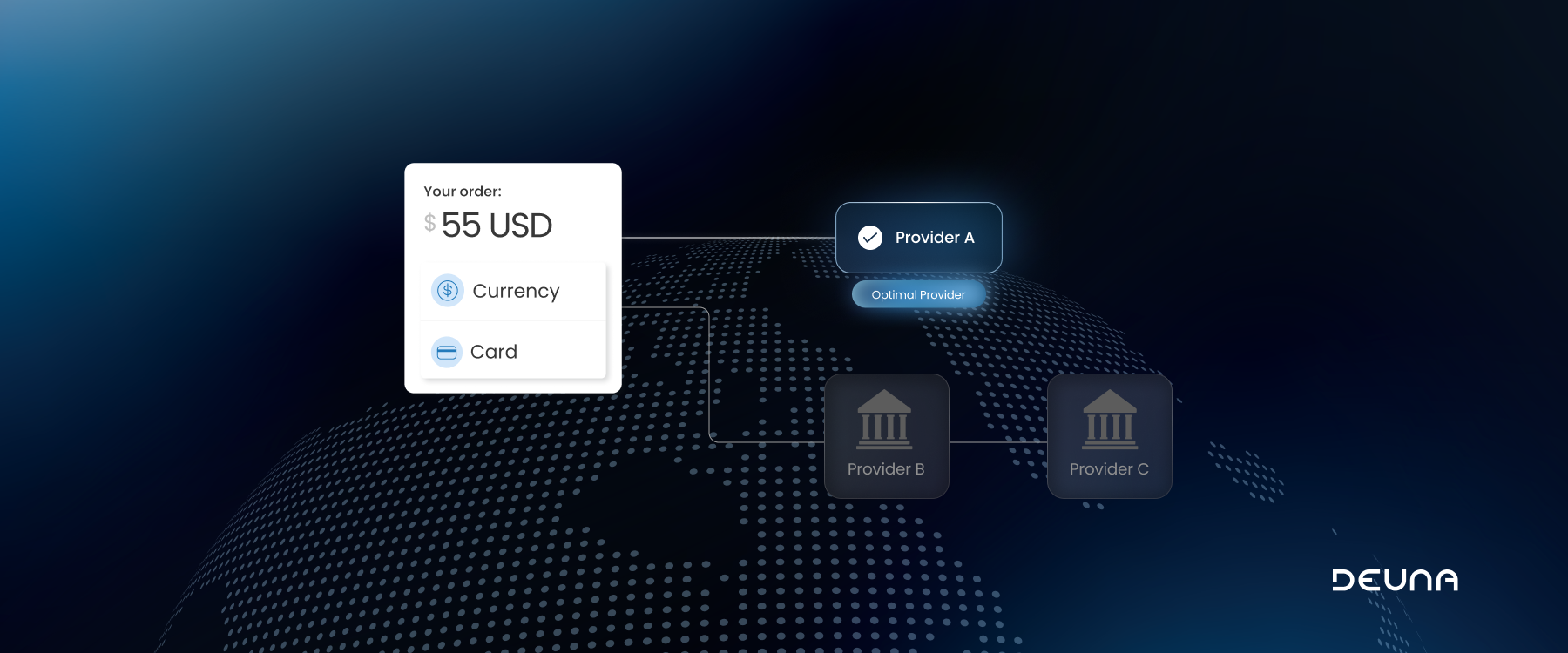
An agentic layer treats that variance as a manageable input rather than an accepted cost. It evaluates observed approval performance for each combination of issuer, corridor, method, and ticket value, and directs traffic toward the strongest path continuously. Where a transaction fails for recoverable reasons, it is reclassified and retried through a better route rather than resubmitted blindly, which matters because Visa and Mastercard both penalize merchants who retry the same failed transaction more than ten times in a 24 hour period without updating the underlying data.
For carriers selling high-value, cross-border, frequently last-minute inventory, the recovered points concentrate exactly where average fares are highest.
The exposure that most fraud budgets were sized against has been shrinking. Analysis published by Accertify in 2025, drawn from millions of airline transactions, found global airline fraud rates fell 30% year over year to 0.25%, approximately one attempt per 400 bookings, with European carriers approaching a 50% reduction through 3D Secure adoption and improved data sharing.
The cost of overcorrecting has moved in the opposite direction. The LexisNexis True Cost of Fraud Study 2025 found that every dollar of fraud now costs US merchants $4.61 once chargebacks, lost inventory, and customer re-acquisition are included, up 32% since 2022. That multiplier justifies tighter thresholds, and tighter thresholds decline legitimate passengers. Contentsquare research shows 40% of shoppers move to a competitor after a poor checkout experience, which converts a single false decline into a permanent loss of customer lifetime value rather than a deferred booking.
The composition of the risk is also shifting. The Merchant Risk Council's 2026 Global eCommerce Payments and Fraud Report, based on 1,278 merchants across 37 countries, found 64% reporting rising first-party misuse while the average number of distinct attack types fell from 4.2 to 3.7. Controls calibrated against a broader, older threat profile are, by construction, misaligned with the current one.
By evaluating each transaction in context rather than against a fixed rule set, and by making its reasoning auditable. Geography, device, behavior, purchase history, and route are weighed together, and the calibration adapts as conditions change rather than at the pace of quarterly reviews.
Athia performs this function for carriers. She monitors approval and fraud performance across every provider, market, and currency, identifies which declines were recoverable and why, and executes the correction through workflows connected to the airline's systems. Each recommendation carries the underlying reasoning, so payments, risk, and finance can validate the logic before it takes effect and evidence the decision afterward.
She operates alongside the fraud engines and payment providers already in place, connected through a single integration to 400+ providers. Existing contracts and controls remain intact.
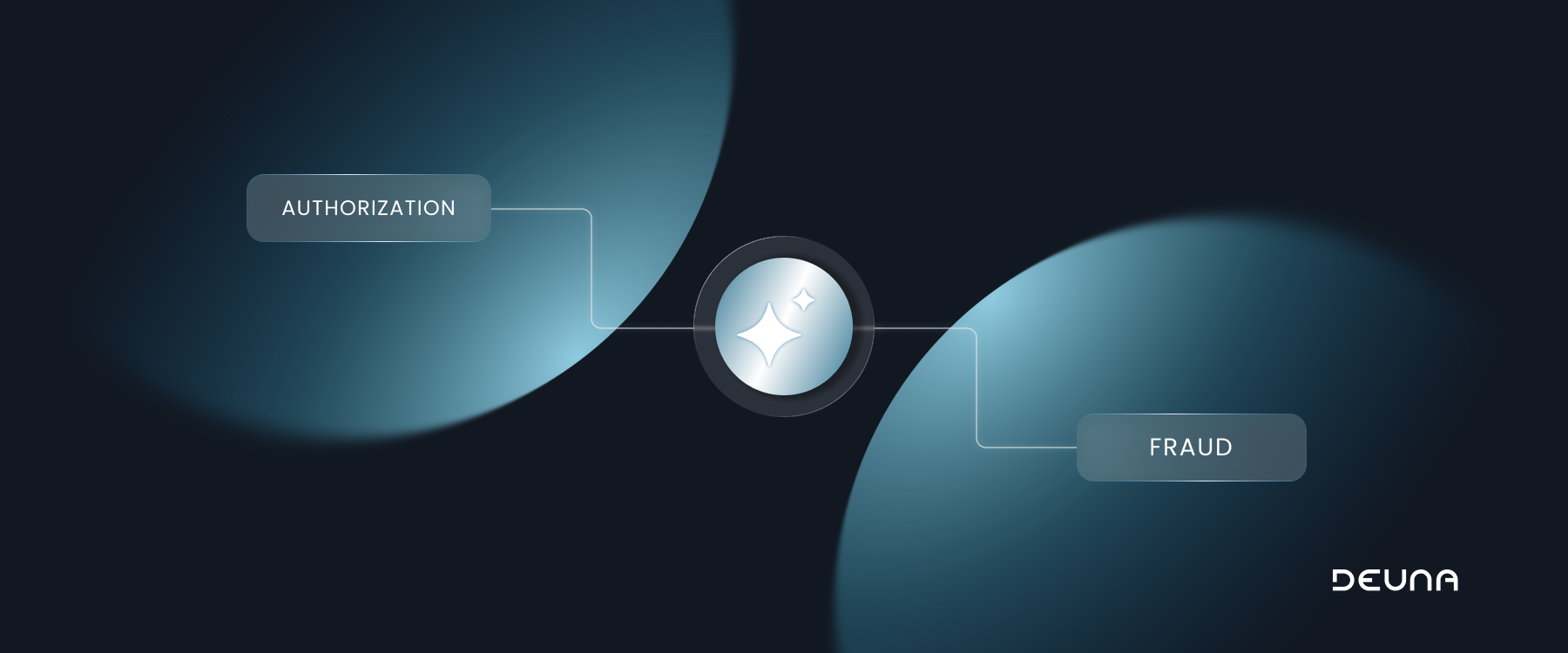
Approval rate and fraud rate are not separate problems with separate owners. They are the same decision, made thousands of times daily, and its quality depends on how much context reaches it before the 200 millisecond window closes.
If your carrier is still trading declined passengers against accepted fraud, that trade-off reflects the infrastructure rather than the market. Our team can quantify what those decisions are costing you today and what recovering them would contribute to margin.