
I have spent my career across the entire payments value chain. From over a decade at Mastercard, leading implementations across Latin America to operating within processors, acquirers, and now orchestration at DEUNA, I have seen firsthand how payment systems are built, scaled, and where they break.
Payments are not a single system, but a sequence of decisions distributed across multiple layers: merchant, gateway, processor, network, issuer, fraud systems, and authentication layers like 3DS. Historically, each layer has operated in isolation, creating a fragmented transaction flow where no single entity has full visibility or control. This is the problem orchestration was designed to solve and why its future goes far beyond connectivity.
In a typical enterprise setup, a single transaction may pass through multiple PSPs, acquirers, fraud tools, and regional configurations. Each introduces its own data formats, decision logic, performance behavior, and failure patterns. Authorization decisions happen in milliseconds, but are influenced by variables that most merchant stacks do not control or even see.
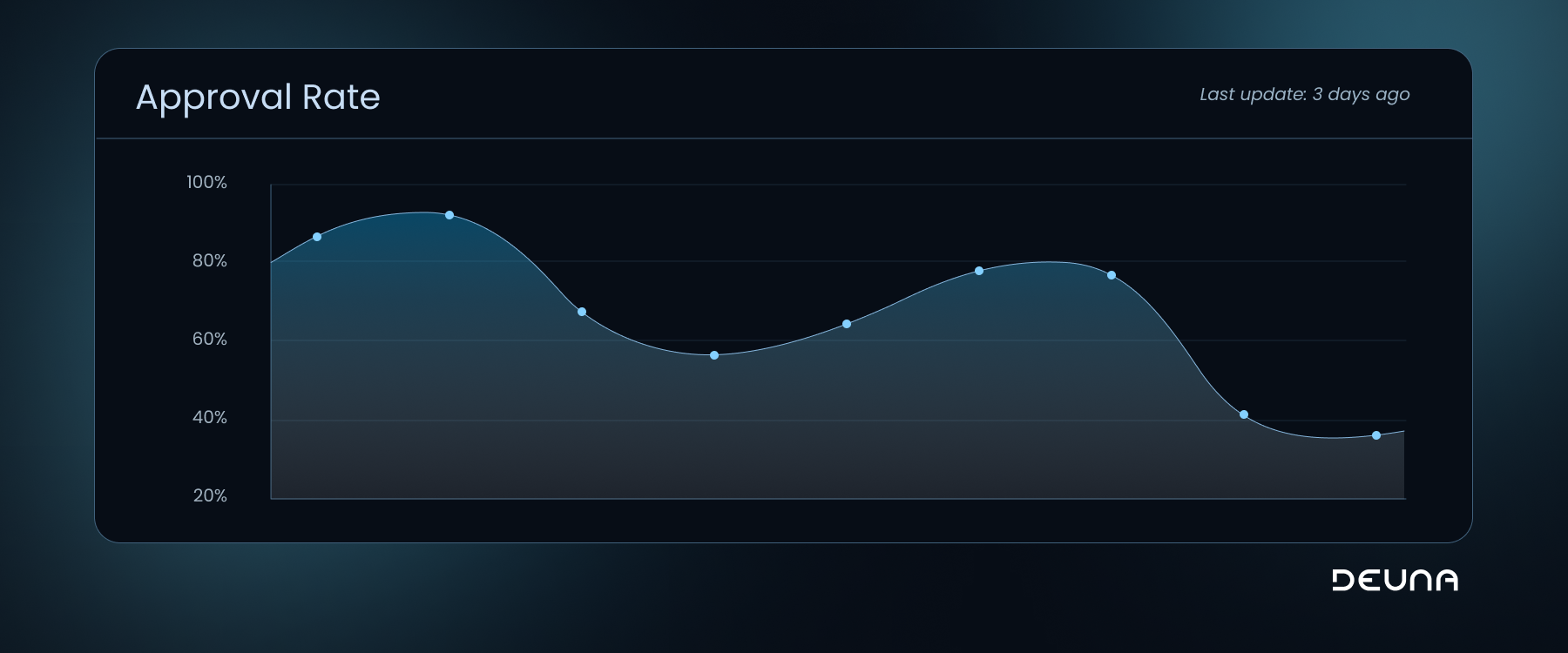
This creates a gap where merchants optimize surface-level metrics like approval rates, while the real drivers of performance remain hidden. As a result, even well-optimized stacks leave revenue on the table.
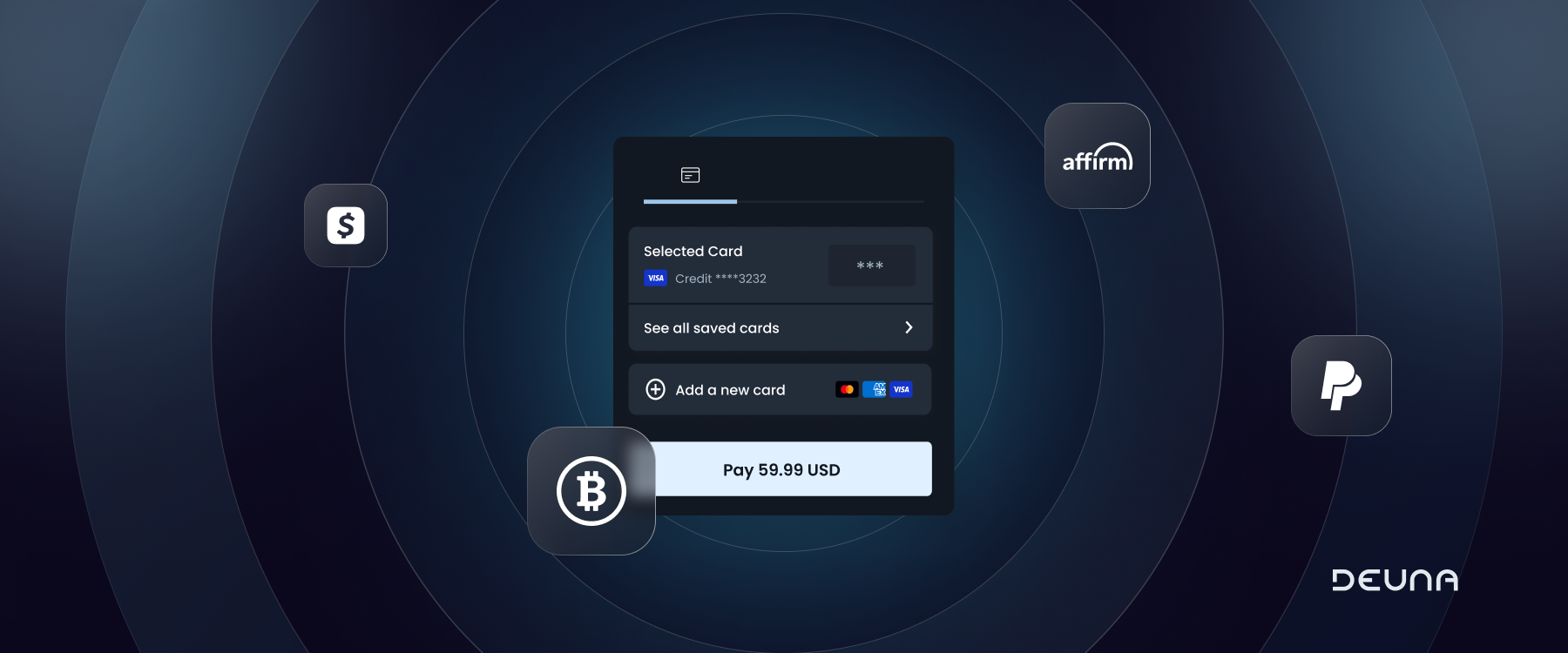
The first wave of payment orchestration focused on solving integration complexity. Merchants could connect to multiple providers through a single platform, reducing engineering effort, enabling expansion, and introducing basic routing. This eliminated single points of failure and created optionality.
However, connectivity alone does not solve the core issue. Having multiple providers only creates value if decisions can be made in real time about which one to use and why.
The future of payment orchestration is not about moving transactions, but about orchestrating decisions across the entire lifecycle. The biggest inefficiencies in payments come from three structural gaps:
Modern orchestration platforms are evolving to address these simultaneously. They create a unified data layer across providers, enabling consistent performance comparison. Decision-making shifts from static rules to dynamic evaluation, where each transaction is assessed in real time considering issuer behavior, BIN-level performance, cost, and risk. Execution becomes embedded directly into the flow, eliminating delays between insight and action.
From a merchant perspective, this shift transforms payments from an operational necessity into a performance lever. The implications are structural:
In regions like Latin America, where payment ecosystems vary significantly, this flexibility is essential. Local payment methods, issuer behaviors, and regulatory environments differ widely, and a static approach does not scale. Orchestration provides the abstraction layer needed to manage this complexity without slowing down the business.
The next evolution of orchestration is autonomy. Systems are moving beyond enabling decisions to actively making and executing them. This includes:
Most payment failures are not inevitable. They are the result of misaligned data, suboptimal routing, and delayed decision-making. Autonomous orchestration addresses all three.
The future of payment orchestration is not a feature within the stack, it is the foundation of the stack. As ecosystems become more complex, the ability to unify, analyze, and act across the entire transaction flow becomes a competitive advantage. Merchants that remain fragmented will plateau, while those that adopt orchestration as an intelligent infrastructure layer will continuously improve performance, reduce costs, and unlock growth.
From this perspective, it becomes clear that the industry is moving toward a model where payments are no longer just processed, they are continuously optimized. In this context, DEUNA is moving in the right direction. By building a platform that unifies data, enables real-time decisioning, and lays the foundation for autonomous execution, DEUNA is aligned with where payment orchestration is heading. The shift is already happening, and the companies that embrace it early will define the next generation of payment performance.