
Most enterprise merchants are not short on payment providers. They run on multiple processors, several payment methods, a regional acquirer or two, a separate fraud engine, and reporting stitched together in spreadsheets. On paper, this looks like resilience. In practice, it is becoming a growth ceiling.
Yet many companies still operate payments through fragmented infrastructure. One provider handles cards. Another supports alternative payment methods. A fraud provider sits in a separate system. Reporting lives in spreadsheets. Routing logic depends on engineering tickets. Operational teams move between dashboards to understand what happened, why a transaction failed, or which provider performed better.
At a small scale, this fragmentation is manageable. At enterprise scale, it becomes a growth constraint.
The real challenge is not simply having multiple providers. In fact, a strong payments strategy often requires access to several processors, payment methods, fraud engines, and local capabilities such as payment links, subscriptions, and installments. The problem appears when those components are disconnected. When every provider works in isolation, merchants lose speed, visibility, and control.
That is where a unified payments platform changes the operating model.
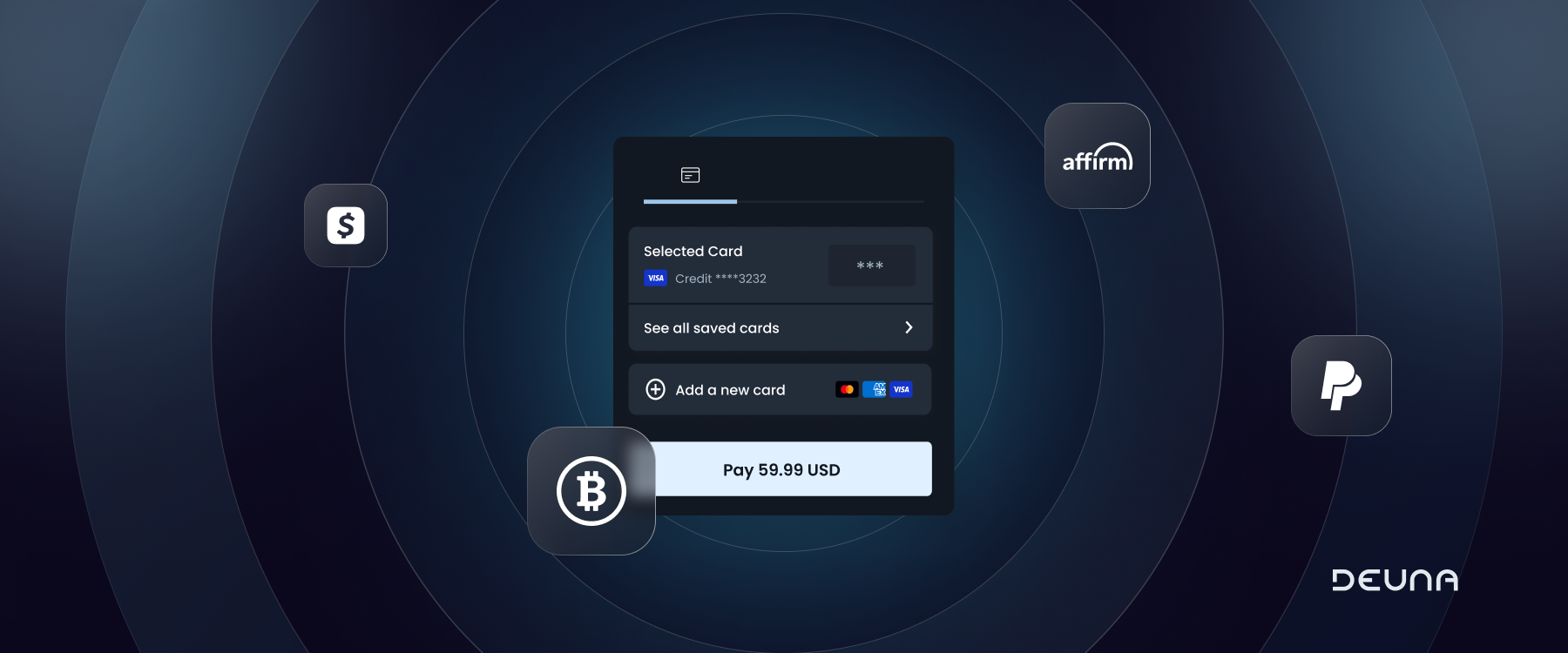
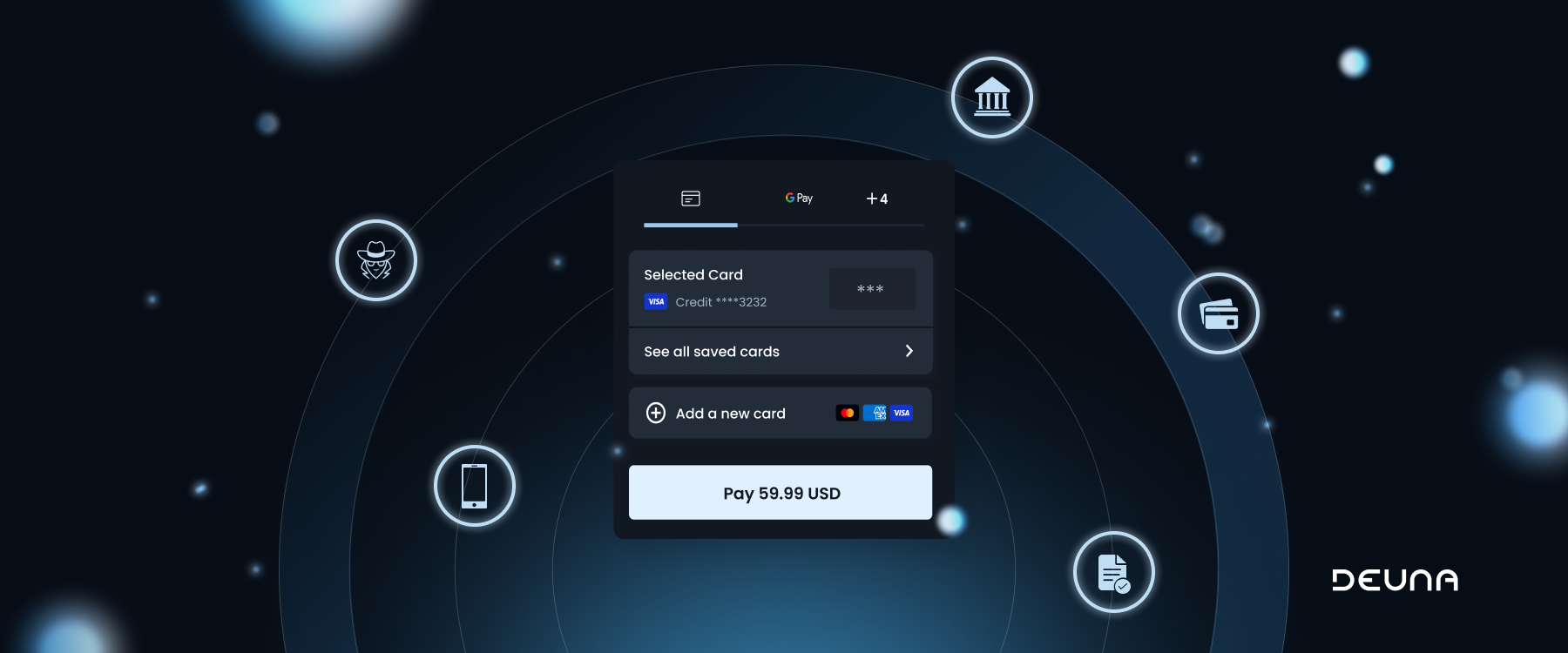
A unified payments platform centralizes the core capabilities needed to manage, optimize, and scale payment operations: provider connections, payment routing, transaction visibility, fraud decisioning, reporting, reconciliation, and performance analytics. Instead of managing payments as a collection of separate integrations, merchants operate through a single control layer.
A unified payments platform centralizes the core capabilities needed to manage, optimize, and scale payment operations: provider connections, payment routing, transaction visibility, fraud decisioning, reporting, reconciliation, and performance analytics. Instead of managing payments as a collection of separate integrations, merchants operate through a single control layer.
The strategic value of a unified payments platform compounds across five dimensions.
In fragmented environments, launching a new payment method, changing routing logic, or connecting a new processor can require weeks of technical work. Every change competes for engineering capacity. This slows down market expansion and limits the ability of business teams to respond to commercial needs.
With a unified payments platform, payment operations become configurable. Teams can activate providers, adjust routing strategies, manage payment methods, and analyze performance without depending on custom development for every change.
This matters because payment conditions change constantly: processor performance varies, issuer behavior shifts, fraud patterns evolve, and customer preferences differ by market. Merchants need infrastructure that allows them to adapt quickly, not infrastructure that forces them to slow down.
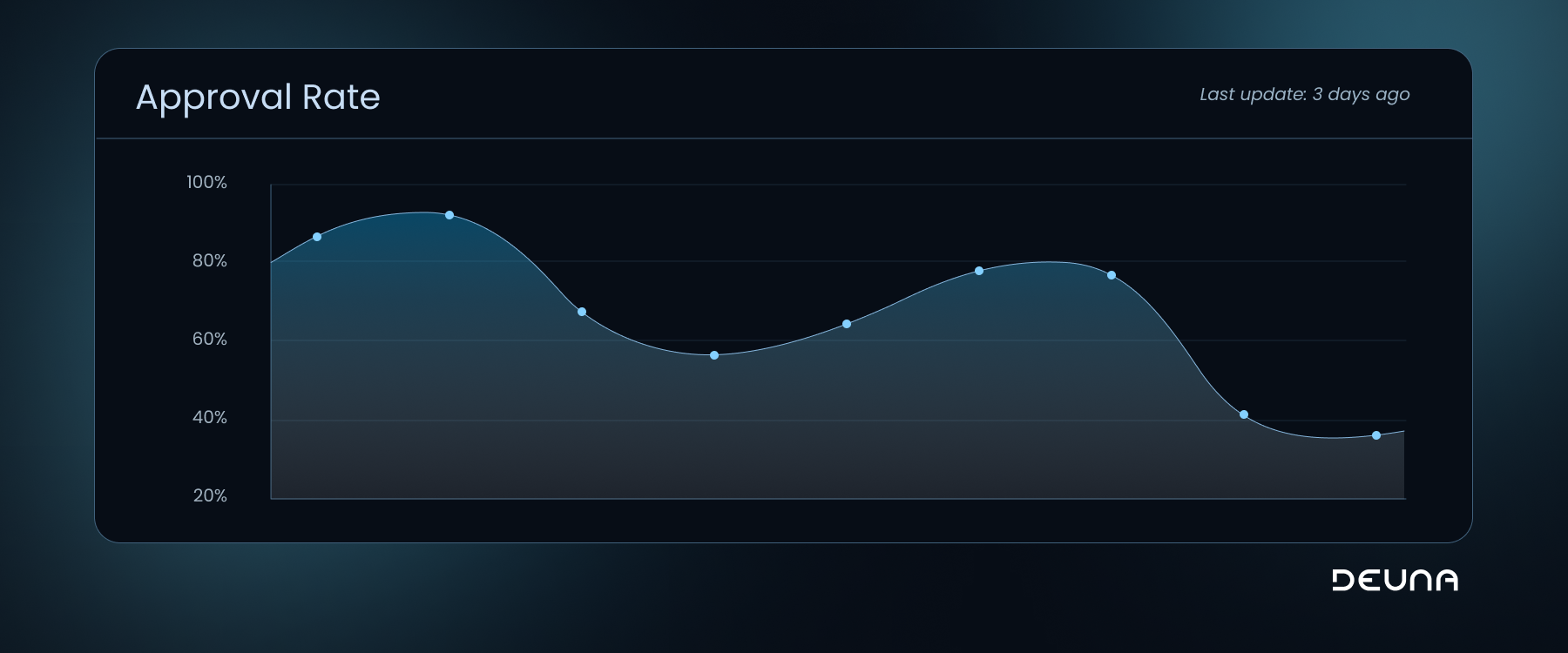
When payment data is distributed across multiple dashboards, teams spend more time reconstructing the truth than making decisions. A decline rate may increase, but identifying whether the issue comes from a specific processor, card brand, BIN range, payment method, country, or fraud rule can take days. By then, revenue has already been lost.
A unified platform gives merchants a single view of payment performance: end-to-end transaction flows, consistent provider definitions, faster pattern detection, and a shift from reactive troubleshooting to proactive optimization. This is especially important for enterprise merchants, where even small improvements in acceptance rate can represent meaningful revenue impact.
Payment orchestration is not only about sending transactions from point A to point B. It is about deciding the best path for each transaction based on business objectives. Sometimes the priority is maximizing approval rates. Sometimes it is reducing cost. Sometimes it is complying with vendor commitments, balancing traffic, applying fraud controls, or improving local payment performance.
A unified platform makes these decisions operationally possible. Merchants can build routing strategies that consider transaction attributes, provider performance, payment method, market, risk level, and business rules. More importantly, they can measure the results and iterate.
Payments stop being static infrastructure. They become an optimization engine.
As payment operations scale, control becomes just as important as flexibility. Enterprise merchants need clear permissions, auditability, consistent processes, and operational traceability. Who can change a routing rule? Who can refund an order? Which users can access specific merchants, countries, or environments? Which changes were made, when, and why?
Fragmented systems make governance harder because access and actions are distributed across tools. A unified platform centralizes operational control, helping merchants reduce risk while giving teams the autonomy they need to move faster.
AI in payments is only as powerful as the infrastructure beneath it. If data is siloed, inconsistent, or incomplete, intelligent recommendations remain limited. But when checkout, payments, fraud, routing, and performance data operate through a unified layer, AI can identify patterns, explain performance changes, recommend actions, and eventually help automate optimization.
This is why the future of payments will not be defined only by having more providers. It will be defined by how intelligently merchants can coordinate them.
The market has stopped rewarding merchants for adding providers. It is rewarding merchants who can coordinate the providers they already have. A unified payments platform is what makes coordination possible at enterprise scale.
The takeaway for payment leaders is straightforward. Audit how many dashboards your team checks weekly. Count how many engineering tickets it takes to launch a new payment method. Measure how long it takes to identify the root cause of a 1% decline rate increase. If those numbers are uncomfortable, the problem is not your providers. It is the absence of a layer that connects them.
At DEUNA, we believe enterprise merchants need more than integrations. They need a unified operating system for payments: one that connects providers, centralizes operations, enables no-code orchestration, and turns payment data into decisions. DEUNA's platform is built around one integration, no-code orchestration, and unified payment operations, with Athia extending that foundation into AI-powered payment intelligence.
The strategic value is clear: fewer operational silos, faster execution, better visibility, smarter routing, stronger governance, and a payment infrastructure that can evolve with the business.
In a market where every approval, decline, retry, refund, and routing decision can affect revenue, operating payments from a unified platform is no longer just an efficiency play.
It is a competitive advantage.