2026 is the year conversational commerce stopped being a concept and started moving real volume. Consumers are no longer just searching with AI. They are completing purchases inside the conversation, with the agent acting on their behalf from discovery to payment.
In Q1 2026, AI-driven traffic to US retail sites grew 393% year over year and now converts 42% better than non-AI sources, according to Adobe Analytics. Morgan Stanley estimates agentic commerce will represent between $190 billion and $385 billion in US e-commerce spending by 2030. Visa, Mastercard, OpenAI, and American Express have all launched agentic commerce infrastructure in the past six months.
The channel is open. AI agents are now buyers from end to end. The question is whether your payment stack is ready for it.
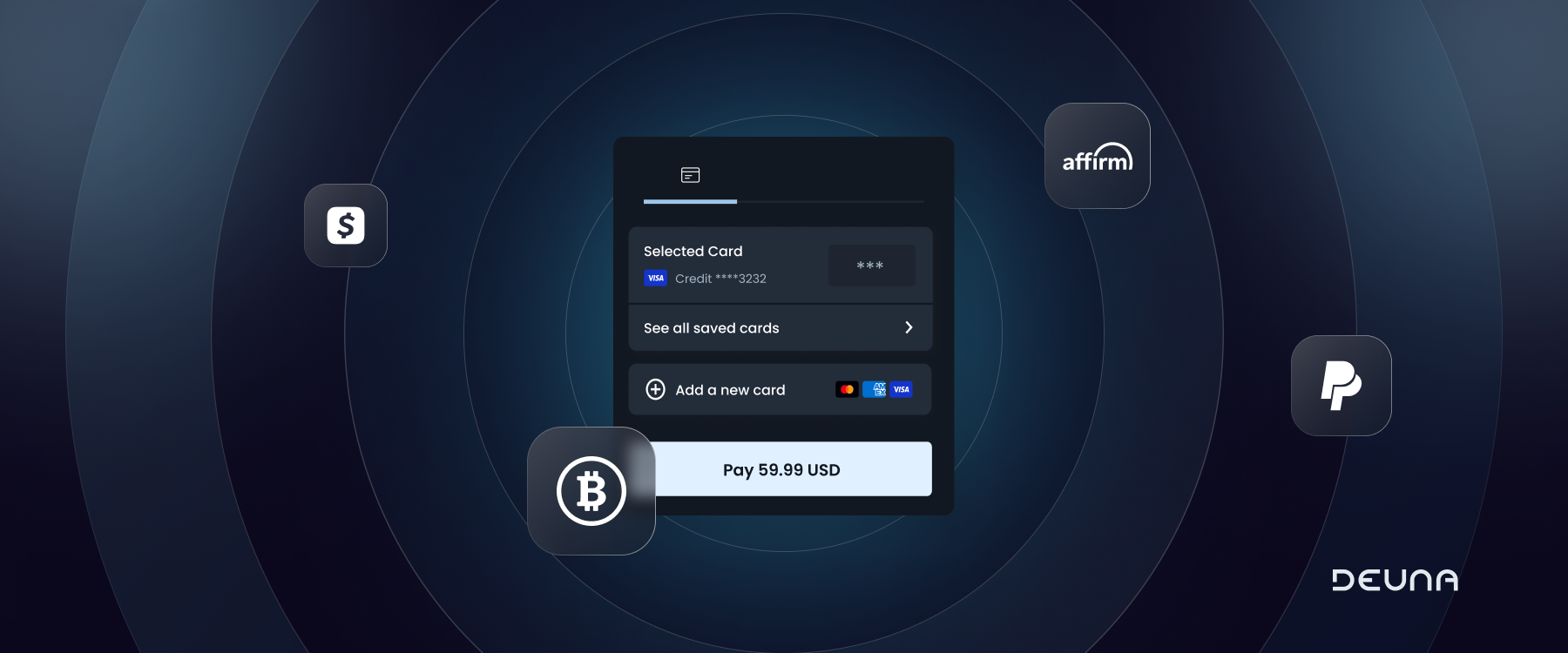
Conversational commerce is a new purchase initiation model. The agent searches, compares, and completes the purchase inside the conversation. The user never sees a checkout page.
The infrastructure is moving fast: Glossier, SKIMS, and Vuori are already live on ChatGPT Instant Checkout. PayPal rolled out agent-ready checkout to 35 million merchants in early 2026. Stripe expanded support to Mastercard Agent Pay, Visa Intelligent Commerce, Affirm, and Klarna.
And the biggest opportunity is in the US, precisely because the US payment market is structurally different from every other major market:
Now layer agents on top. When an AI completes a purchase, the signals fraud and routing systems depend on disappear: no browsing session, no device fingerprint, no behavioral cues, no human to retry on a decline. The merchants who can read this new context will capture the next wave of US e-commerce growth.
Two layers have to work together for any of this to perform.
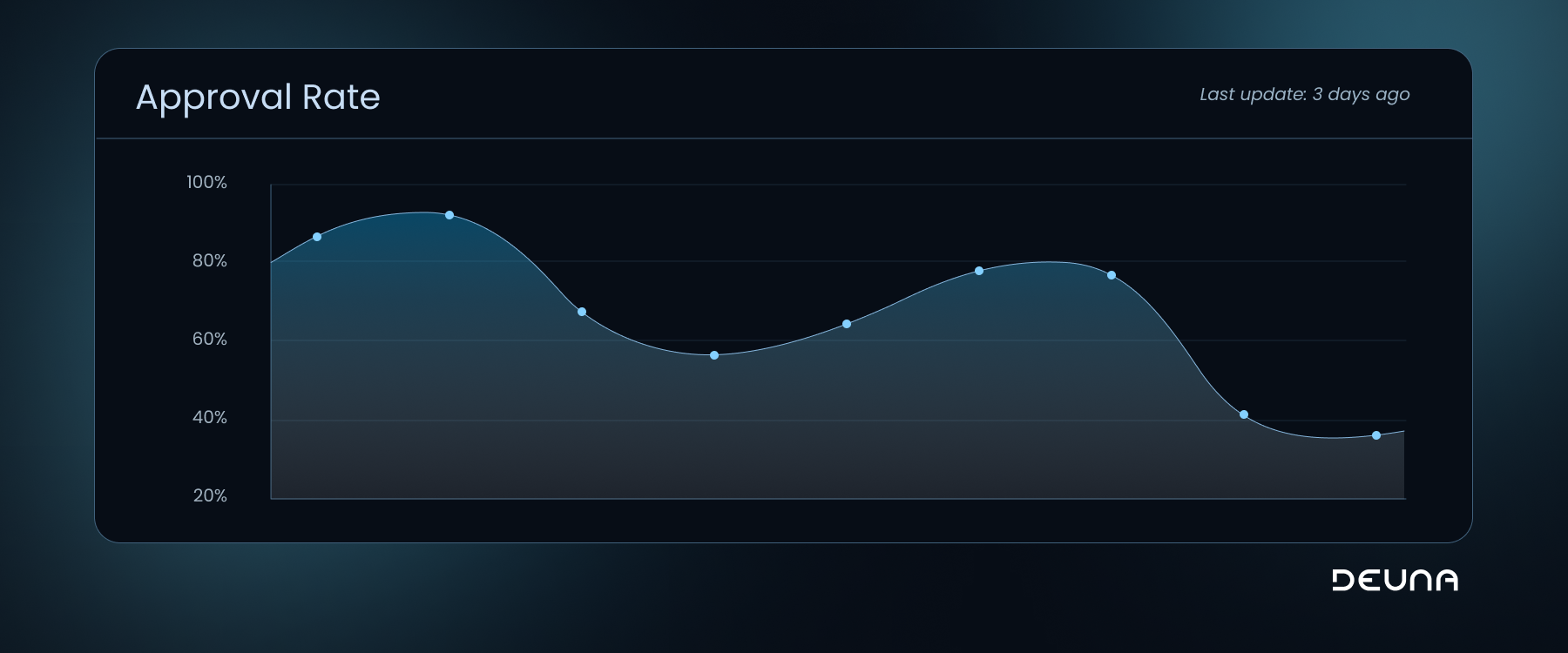
The first is orchestration. A single integration that sits above multiple PSPs, evaluates each transaction in real time, and routes it to the best-performing provider for that specific profile. In a market with thousands of issuers and debit routing rights that static setups cannot capture, orchestration is the prerequisite for serious approval rate performance.
But orchestration alone is not enough when the buyer is an AI.
Static rules were written for conditions that existed weeks ago, configured around human checkout patterns. They cannot reason about transaction profiles that did not exist when the rule was set. That is where agentic routing comes in: it observes every transaction, learns from each outcome, and adapts continuously, so the decision logic evolves at the same speed as the channel itself.
Merchants who build orchestration plus agentic routing see:
The US payment market was already complex before agents arrived. Agentic commerce is a new opportunity layered on top of that complexity, and the merchants who capture it will be the ones whose infrastructure is ready to act on it.
DEUNA's orchestration layer routes every transaction through the optimal provider in real time, evaluating issuer behavior, debit network eligibility, and token availability on each authorization decision. Athia, the agentic intelligence layer on top, learns from every outcome and adjusts routing as new agent profiles emerge, so approval rates keep up with a channel that did not exist a year ago.
Every approved AI transaction is revenue your competitors are not capturing. Want to see what that stack looks like?