
For as long as online shopping has existed, the checkout has belonged to the merchant. The shopper lands on your page, sees your branding, and pays inside an environment you built.
That is changing. The purchase can now close inside a chat window or an assistant you do not control, completed by software acting for a customer you never see. When an agent does the buying, who owns the checkout?
The infrastructure came together in months. Stripe and OpenAI released the Agentic Commerce Protocol in late September 2025 and switched on Instant Checkout inside ChatGPT, starting with US Etsy sellers and reaching over a million Shopify merchants, all without the shopper leaving the conversation.
They were not even first. Google had announced its Agent Payments Protocol on September 16, 2025 with more than sixty partners, including PayPal, Mastercard, American Express, and Adyen. Visa and Mastercard soon added frameworks to tell trusted agents apart from bots, and American Express shipped its own developer kit by April 2026. The shoppers are ready too: Salesforce found that 48% of people who already use AI for shopping are open to letting an agent buy for them.
The real exposure is rarely the payment. It is everything around it. An agent that sits between you and the shopper absorbs the signals you use to read demand.
BCG cautions that passive retailers could end up as interchangeable suppliers in the background, with the agent, not the brand, becoming the party the shopper deals with. Retail Dive calls data ownership and disintermediation the defining concerns of 2026, because a journey that begins and ends on someone else's platform moves the balance of power with it. Bain adds that once agents assemble baskets across sellers, the idea of a basket you own starts to dissolve.
What slips away is closeness to the customer, a clear view of behavior, and the chance to keep learning from your own demand.
None of this is inevitable. Whether you keep the checkout depends less on the agent than on how your payments are set up to handle it.
The protocols leave that door open. OpenAI frames Instant Checkout as a way to reach hundreds of millions of people while the seller keeps control of payments, systems, and customer relationships, processing each order through their existing provider. Spreedly's chief executive noted that many early standards were deliberately written to keep the merchant as the merchant of record, because sellers did not want to be cut out of their own sales.
Some merchants already treat that as a strategy. Walmart built its own AI assistant into the agent layer but kept every transaction inside its own ecosystem, so the basket, the data, and the relationship stay with Walmart even when the shopping starts elsewhere. An agent can start the interaction, but where the sale lands is still the merchant's decision.
That decision comes down to infrastructure. Every agent surface, network, and protocol builds one slice of this world, but none of them, alone, ties the transaction back to you.
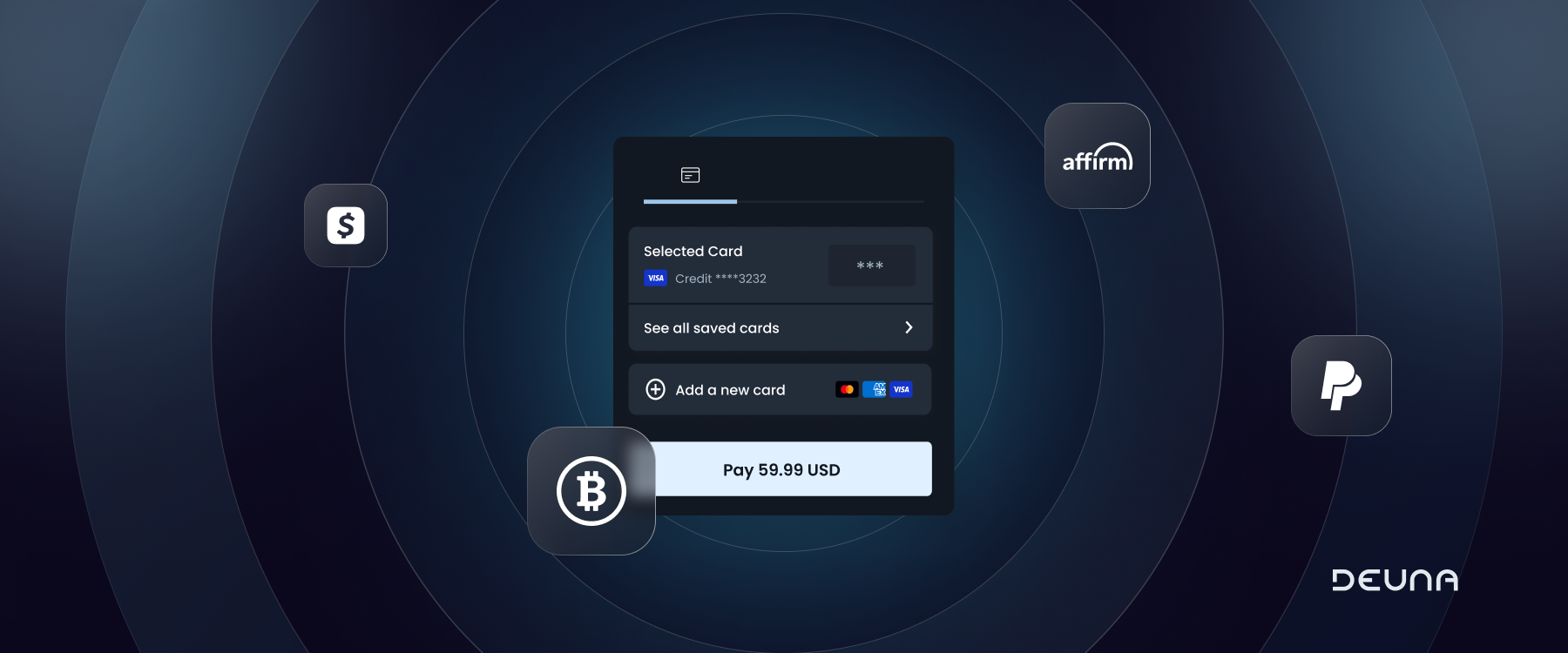
That is the job DEUNA was built for. Through a single integration, DEUNA connects you to a wide ecosystem of acquirers, payment providers, and fraud tools, and gives you one place to route, manage, and see every transaction. You stay the merchant of record, keep the data underneath, and keep control of how payments perform instead of handing it to whatever surface the sale started on.
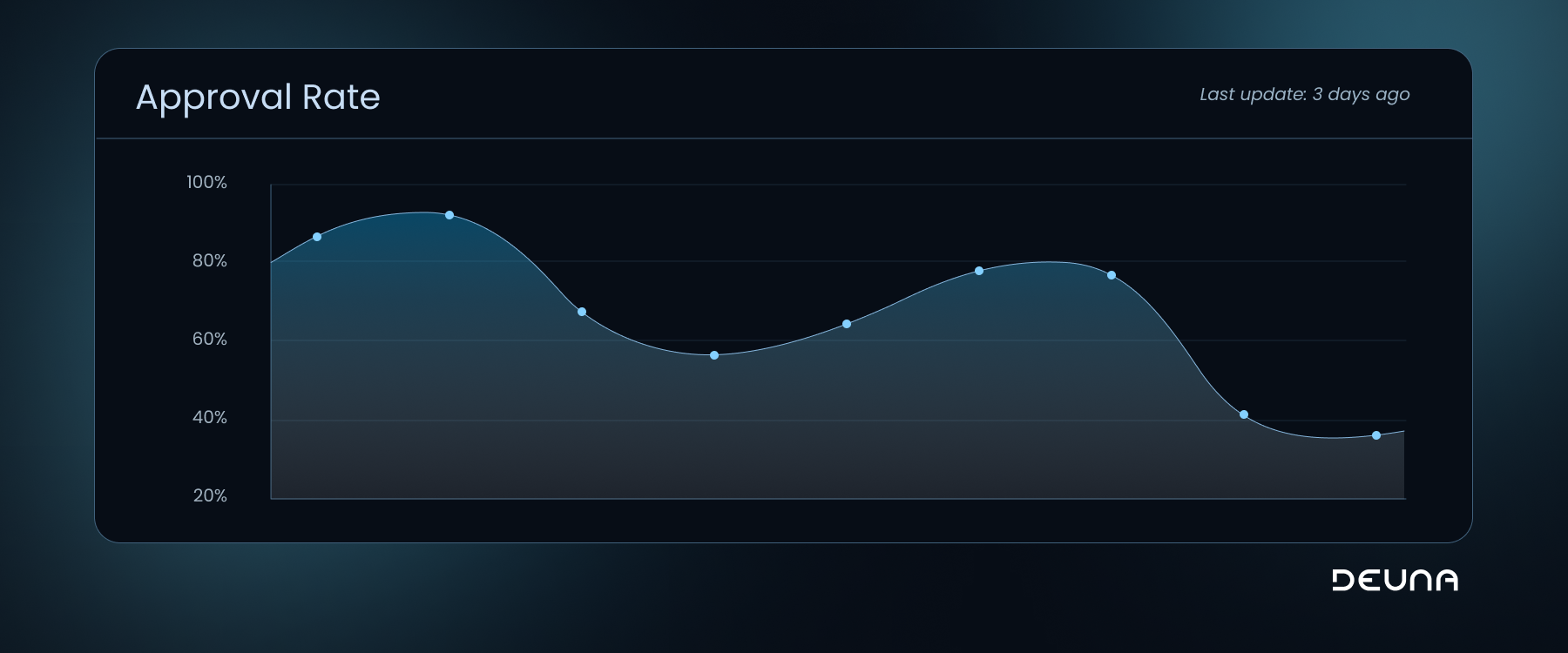
Holding the transaction is half the value. Reading it is the other half. As more demand arrives without browsing history or session cues, Athia, DEUNA's agentic payments intelligence layer, pulls together signals across checkout, payments, and fraud so you keep learning from that demand instead of handing the insight to the platform where the purchase began.
You do, if your infrastructure travels with the buyer instead of stopping at your website. The buyer turning into an agent does not settle the question. The stack underneath you does.
DEUNA is that stack: one integration that keeps you the merchant of record, keeps your data, and keeps you at the center of the transaction wherever the buyer goes.